Physical Address
304 North Cardinal St.
Dorchester Center, MA 02124
Physical Address
304 North Cardinal St.
Dorchester Center, MA 02124

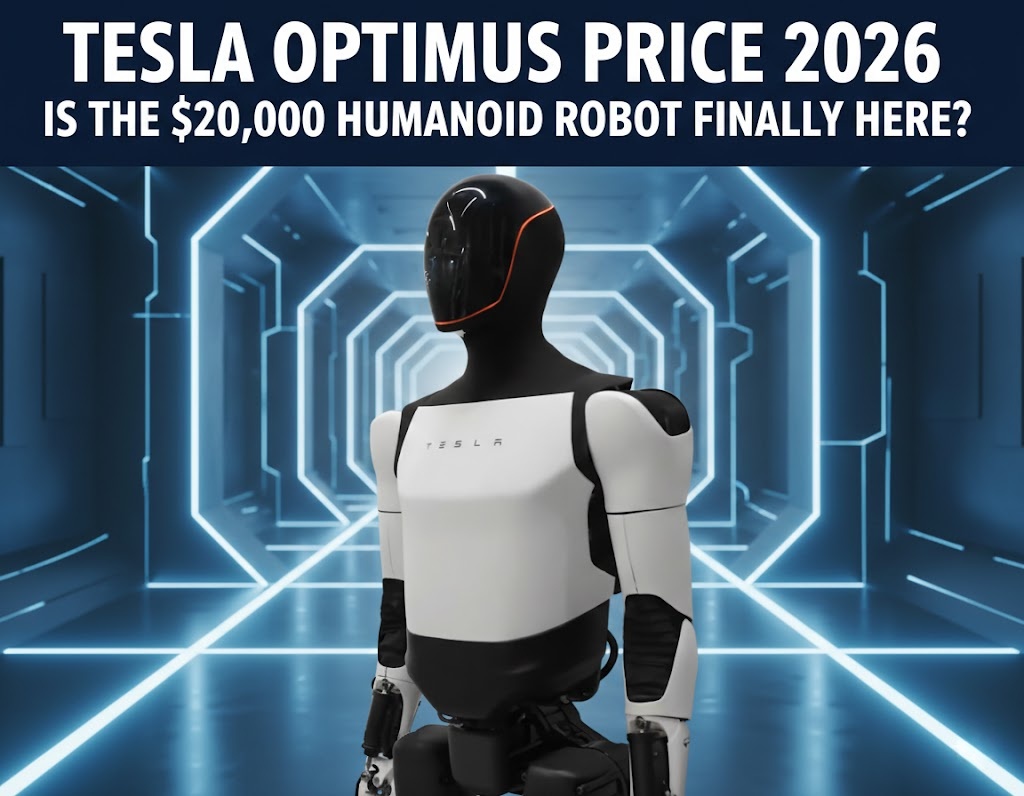
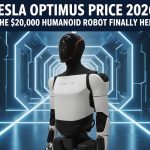
Tesla continues to mostly use its Optimus robots for tasks within its own gigafactories as of February 2026. We might see a few sales to outside companies late this year, but they will likely be very limited. While the price could eventually drop to between $20,000 and $30,000, early buyers should expect to pay closer to $30,000 or $45,000 because of high production costs.
The new Gen 3 model is much better at moving its hands and can even learn by watching videos. This makes it a great candidate for home use, though regular people probably won’t be able to buy one until 2027. All this progress in robotics has led to some very high stock forecasts. In fact, some analysts think shares could jump 35% every year if Tesla pulls this off, though plenty of people still doubt they can meet these deadlines.
Key Pricing and Development Insights
| Aspect | Details |
| Target Price | $20,000 – $30,000 |
| Current Production Status | Prototype stage, no functional robots in factories |
| Planned Production | 1 million robots per year by end of 2026 |
| Comparative Market Pricing | Significantly cheaper than competitors ($50,000 – $100,000) |
Key Specs for Tesla Bot
| Feature | Gen 1 | Gen 2 | Gen 3 |
| Height | 5’8″ (173 cm) | 5’8″ (173 cm) | 5’8″ (173 cm) |
| Weight | 160 lbs (73 kg) | 125 lbs (57 kg) | 125 lbs (57 kg) |
| Walking Speed | ~2 km/h (Unsteady) | 8.05 km/h (5 mph) | 10–12 km/h (Targeted) |
| Hand Dexterity | 11 Degrees of Freedom | 11 Degrees of Freedom | 22 Degrees of Freedom |
| Hand Tech | Basic electromechanical | Tactile sensing / Integrated | Tendon-driven / Forearm motors |
| Payload (Carry) | 45 lbs (20 kg) | 45 lbs (20 kg) | 45 lbs (20 kg) |
| Battery Capacity | 2.3 kWh | 2.3 kWh | 2.3 kWh (Optimized efficiency) |
| Runtime | ~2 hours | 4–8 hours | 8+ hours (Full shift) |
| AI Hardware | FSD Computer | AI4 Hardware | AI5 / “Physical AI” Suite |
| Deployment | Stage demos only | Internal factory trials | Mass production / External sales |
Availability and Purchase
It looks like the option to “Buy Tesla Optimus robot” will first open for industrial partners in late 2026. Probably not yet, the regular person will be able to buy one directly. In order to get things started, Tesla plans to build 50,000 units this year at the Fremont factory.
Market Context
Humanoid robots for home use are emerging, with competitors like Unitree G1 ($16,000) and 1X Neo ($20,000 ownership) offering alternatives. Tesla AI robotics stock forecast varies; it appears balanced views see growth from Optimus, but risks like delays temper enthusiasm.
Stock Outlook
If Optimus scales, with forecasts suggesting Tesla could add $25 billion in revenue from 500,000 units at $50,000 each, though this acknowledges execution challenges.
The Optimus project was revealed by Tesla during AI Day in 2021, it aimed to create a robot that could do boring or dangerous jobs. The project has grown into much more than a stage demo by the start of 2026. Tesla is now using over 1,000 bots in its own factories to move battery cells and sort through parts.
The Fremont factory is even changing its assembly lines to focus specifically on these robots. This year marks the moment Optimus stops being a prototype and starts becoming a real product. The goal isn’t just a robot that can walk around. Tesla wants a reliable worker that can learn how to do new things just by watching a video.
Elon Musk applies “first principles” to figure out the price of Tesla gear. He looks at simple costs like raw metal and factory speed. For Optimus, he wants a price tag lower than a cheap car. However, we are still waiting for that in 2026. The list of parts for the bot features expensive sensors and custom motors. These items cost a lot because robot supply chains are still new. Global gaps in high-end parts keep the final price high for now.
Right now, Tesla’s internal costs are higher than the target. Analysts point out that vertical integration—making more parts in-house—could help drop prices over time. For example, using the same battery tech from Tesla’s cars cuts some expenses. But for early units, expect to pay more. Some reports say early units for partners might cost $30,000 to $45,000. This higher price helps cover the heavy R&D spending. Musk thinks the only way to get to $20,000 is to make a lot more bots. Tesla aims to build 50,000 bots this year, so that lower price might arrive by 2027.
It’s worth noting that competitors are already undercutting this. The Unitree G1, a budget option, sells for about $16,000 and is available now. Tesla’s edge? Its AI smarts, tied to the company’s Full Self-Driving system. But until production ramps, the $20,000 dream stays a target, not reality.
Here is a basic estimate based on industry data to show the cost breakdown:
| Component | Estimated Cost | Notes |
| Actuators and Motors | $10,000-$15,000 | High-precision for dexterity |
| Battery and Power | $5,000 | Similar to EV tech |
| Sensors and AI Chip | $5,000-$8,000 | FSD hardware integration |
| Frame and Materials | $3,000 | Lightweight alloys |
| Assembly and Software | $5,000 | Tesla’s vertical advantage |
This adds up to around $28,000-$36,000 per unit at scale, aligning with initial estimates.
Tesla knows a thing or two about factory struggles. We all remember the “production hell” during the Model 3 ramp-up. Now, the company is facing that same mountain with Optimus. Tesla is slowing down the Model S and Model X lines at the Fremont plant in a significant change. The goal is to make room for robot assembly. This change started in early 2026. They now keep low volumes, aiming for 50,000 units this year.
Fremont is perfect for this. It’s Tesla’s original plant, with room to repurpose. The goal is to hit 1 million robots per year eventually, but 2026 is about testing the waters. Early adopters, like industrial partners, will get first dibs. For home users, it’s a waiting game. This shift shows Tesla’s bet on robotics over traditional cars. Sales of legacy models were slowing anyway, so reallocating makes sense.
What does low-volume mean? It starts with prototypes in factories, then small batches for testing. Tesla’s using its gigafactory know-how to automate robot building—robots making robots, basically. But challenges like supply chain kinks could delay things. Musk has called production “agonizingly slow” for starters. Still, this is the step toward mass scales that drop prices.
Here’s a timeline table for context:
| Milestone | Date | Details |
| Gen 3 Reveal | Q1 2026 | Major upgrades shown |
| Internal Deployment | Ongoing | Gigafactories use |
| Low-Volume Production | Q2 2026 | 50,000 units target |
| Limited Sales | Late 2026 | Partners first |
| Mass Production | 2027+ | 1M/year goal |
The Tesla Bot Gen 3 specs are really impressive. This model beats Gen 2 with much better hands. Instead of just 11, it now has 22 degrees of freedom. This gives it steady control for tasks like holding eggs without a crack. New touch sensors let the bot “feel” things. It can now change its grip strength right as it moves.
The big leap? Integration with latest FSD hardware. Optimus learns tasks by watching human videos. Forget manual coding for every task; this thing runs on AI. That makes it a real help around the house for chores like folding clothes or prep work in the kitchen. Standing 5’8″ and weighing 125 lbs, it is designed to move easily through a normal home. Battery lasts a full day for light tasks.
2026 marks “human-level” dexterity because of these upgrades. Musk says it could thread a needle soon. In factories, it’s replacing repetitive jobs already. For homes, imagine it handling chores while you work. But it’s not perfect—still learning basic tasks, per Tesla’s admissions.
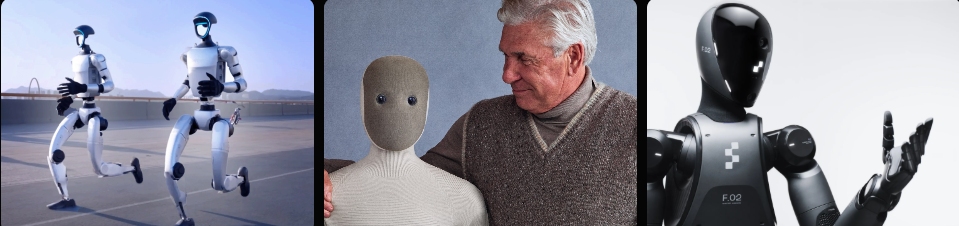
Tesla isn’t alone in humanoid robots for home use. Let’s compare.
First, Unitree G1: The budget leader at $13,500. It’s smaller (4’2″), lighter (77 lbs), with 23-43 joints for agility. Max speed 4.5 mph, great for research or light home tasks. Available now, but less AI-focused than Tesla.
1X Neo: Home-assistant specialist. 5’5″, 66 lbs, $499/month subscription or $20,000 buy. Soft body for safety, 4-hour battery. Deliveries start 2026. Good for chores like cleaning, with voice control.
Figure 02: Industrial heavy-hitter. 5’6″, 154 lbs, focuses on factory work but adaptable. No public price, in pilot programs. Strong AI for autonomy, rivals Tesla in learning.
Tesla wins on vertical integration—using EV tech for cheaper scaling. But Unitree undercuts on price, 1X on home safety.
| Robot | Height | Weight | Price | Key Strength |
| Tesla Optimus Gen 3 | 173 cm | 57 kg | $30k initial | AI learning |
| Unitree G1 | 127-132 cm | 35 kg | $13.5k | Affordability |
| 1X Neo | 165 cm | 30 kg | $499/mo | Home safety |
| Figure 02 | 168 cm | 70 kg | N/A | Industrial power |
Rumors swirl about a “Robot-as-a-Service” (RaaS) model for Optimus. Instead of $20,000 upfront, you might subscribe like FSD—pay monthly for updates and support. This makes it easier for homes and shops to get one. Tesla might charge a monthly fee of $100-200. That price would handle all repairs and new AI updates.
Why? Robots need constant learning. Subscription ensures fresh software. For homes, it’s appealing—no big buy, just ongoing help with tasks. But owning outright appeals to some for privacy. Tesla hasn’t confirmed, but it’s likely, given their EV model.
In 2026, early sales might be outright, with RaaS later. This could make humanoid robots mainstream, like smartphones.
To wrap up, Tesla’s push into AI robotics boosts stock forecasts. Analysts see earnings growth if Optimus succeeds, potentially adding trillions to market cap. But it’s speculative—execution is key.
Right now, sales are limited to a few business partners and Tesla’s own plants. The team is still polishing the version for regular people. Most buyers won’t be able to buy a bot until 2027 since they will mainly stay in factories and storage facilities for the rest of 2026.
Because it is smaller and uses fewer materials, Elon Musk believes the robot will be cost less than a car. He expects a price tag around $20,000 to make it cheaper than a human worker’s yearly pay. The cheap price can help businesses to quickly recover their investment.
The 2026 Gen 3 model is an expert at “end-to-end” jobs. It can sort battery cells, move heavy crates, and walk through busy rooms on its own. The bot has moved past simple, looped motions. It now reacts to changes in its environment the moment they happen.
Much like Tesla vehicles, the hardware and software may be tiered. While the physical bot may hit the $20,000 target, “Specialized Task Packages” or advanced AI capabilities might require a separate subscription or one-time licensing fee.